

Drug Abuse Prevention and Substance Use Counseling in Madison, AL
SERVICES
Support That Meets You Where You Are
Data last verified: November 2026
Drug abuse prevention counseling is outpatient therapy that works to stop substance use from progressing into higher-risk use or a substance use disorder, and to keep people in recovery from relapsing.
If you are in crisis, call or text 988, the Suicide & Crisis Lifeline. For a medical emergency, call 911.
Behavioral & Substance Abuse Counseling (BSAC) is a counseling practice in Madison, Alabama, serving clients in Huntsville, Madison, and the rest of Madison County at our Chestnut Drive office and via telehealth. Drug abuse prevention is one of our seven counseling services.
Key Takeaways
Three of our counselors focus on substance use: Roslyn Sales, Johnson Arloo, and Rashmi Chauhan.
NIDA lists early first use, genetics, trauma, and conditions such as depression, anxiety, or PTSD among the risk factors for substance use disorders.
NIDA puts relapse rates for substance use disorders at 40% to 60%, in the same range as the 50% to 70% seen with hypertension and asthma.
We accept Medicare, Medicaid, TRICARE, and many other plans, and we offer a sliding scale fee for those who qualify.
If substance use is starting to spill into work, school, or home life, you can schedule a first session with one of our substance use counselors in Madison.
Building Healthier Choices, Stronger Coping Skills, and a Path Toward Recovery
Substance use can affect more than physical health. It can influence relationships, emotional well-being, family dynamics, work, and everyday responsibilities. Whether you're concerned about your own substance use or seeking guidance for someone you care about, support can make a meaningful difference.
At BSAC Counseling, we approach substance use challenges with compassion, understanding, and a commitment to helping individuals make healthier decisions. We recognize that substance use is often connected to underlying emotional, behavioral, or environmental challenges, and addressing those factors is an important part of creating lasting change.
Our goal is to provide a supportive, judgment-free environment where individuals can explore their experiences, identify potential risks, and develop practical strategies for healthier living.
What Raises the Risk That Substance Use Gets Worse?
Substance use tends to get worse when risk factors pile up and protective factors are thin, and counseling works on both sides. The National Institute on Drug Abuse (NIDA) stresses that a substance use disorder isn't inevitable, even for someone with several risk factors. Its prevention research overview sorts those factors into four groups:
Personal risk factors: using drugs from a young age, genetics, and mental health conditions such as depression, anxiety, or PTSD.
Family risk factors: trauma, abuse or neglect in childhood, and a parent who uses substances or treats use as acceptable.
Community risk factors: friends who use drugs, and schools or neighborhoods where drug use is common.
Protective factors: optimism, healthy relationships with family and friends, financial stability, and parents who stay involved in a young person's life.
Our substance use counselors also treat several of these risk factors directly, including depression, anxiety, and trauma. If you're a parent or partner who wants to strengthen things at home, our family counseling can help, and couples counseling runs as a separate service.
Worried about a teenager? Rashmi Chauhan works with teens and adults on addiction, anxiety, trauma, and grief, so she's a good first contact.
Which Methods Do Our Counselors Use for Substance Use?
Our counselors pair talk therapy with goals built around your own strengths and circumstances. NIDA's research on treatment and recovery describes behavioral therapies, including cognitive behavioral therapy (CBT) and family therapy, that help people change how they think and act around drugs, handle triggers, and stay in treatment.
NIDA also says treatment should fit a person's pattern of use and any related medical, mental health and social problems.
Each of our substance use counselors names the methods they draw on:
Johnson Arloo: a strengths-based approach that draws on positive psychology, personal development and behavioral change.
Rashmi Chauhan: CBT, EMDR, person-centered therapy and mindfulness.
Roslyn Sales: a practical, strengths-focused approach that builds coping, communication and conflict-resolution skills.
Rashmi helps you understand your experiences and build practical tools, while Johnson Arloo helps you recognize your strengths and your capacity for growth. If your main concern is anxiety, grief or a life change rather than substance use, individual counseling may suit you better.
How Drug Abuse Prevention Counseling Can Help
Prevention and early intervention can play an important role in reducing the risks associated with substance use. Counseling can also provide support for individuals working toward recovery and maintaining positive behavioral changes.
Our services focus on:
Identifying substance use patterns and potential risk factors
Understanding emotional triggers and underlying challenges
Developing healthier coping and stress-management strategies
Building decision-making and problem-solving skills
Strengthening self-awareness and personal accountability
Improving relationships and rebuilding trust
Developing relapse-prevention strategies
Encouraging positive lifestyle changes and long-term wellness
Meet Our Counselors
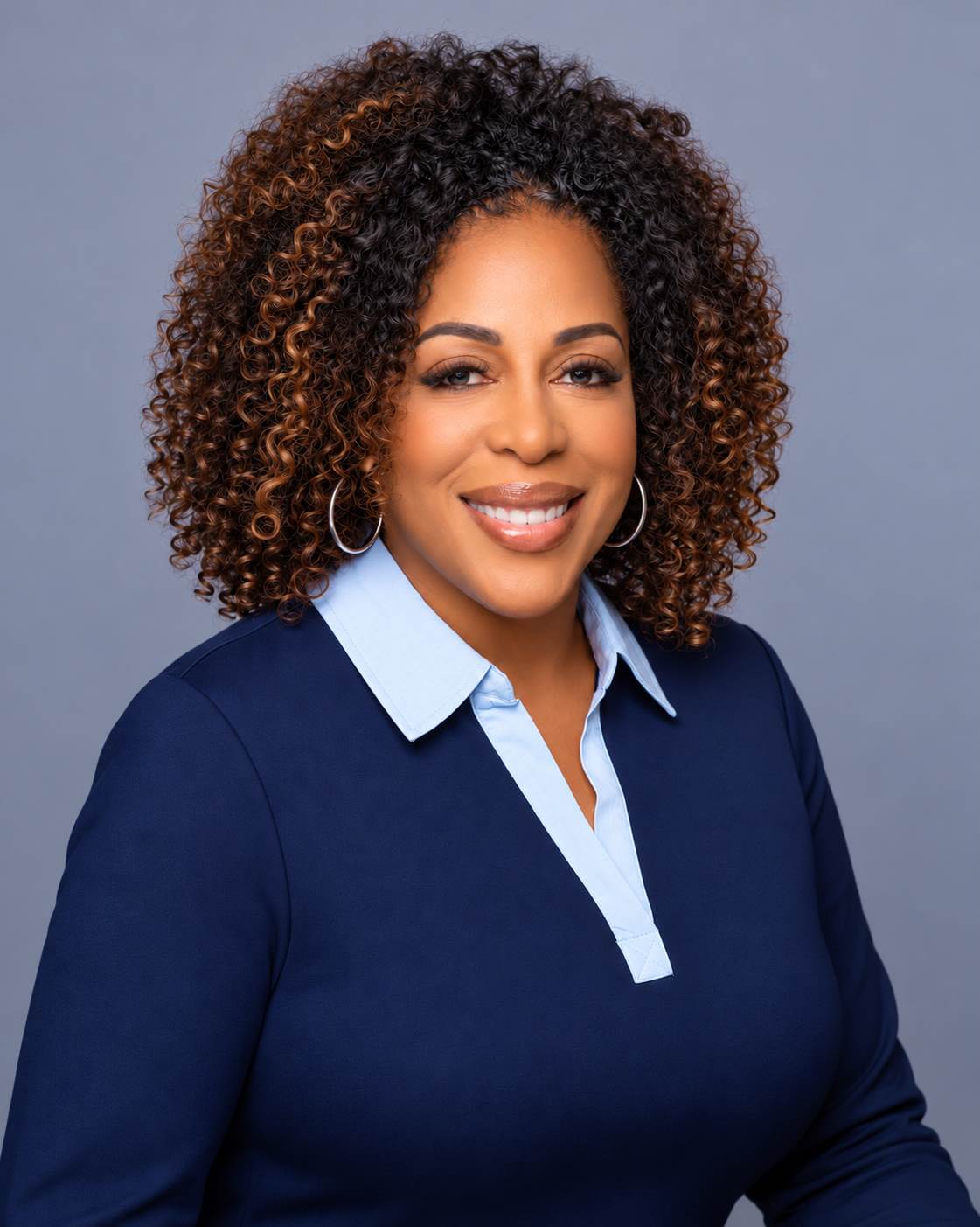


We understand that every individual's experience with substance use is different. Some people may be seeking early intervention, while others may be navigating recovery or trying to prevent a return to unhealthy behaviors.
Our counselors work collaboratively with clients to identify their goals, recognize their strengths, and develop individualized strategies that support meaningful progress.
Roslyn Sales, LPC-S: substance abuse, anger management, anxiety and stress, depression, relationship challenges, and life transitions. Roslyn is BSAC's founder and a U.S. Army veteran.
Johnson Arloo, LPC-S: addiction, anxiety and depression, behavioral concerns, self-esteem, and life transitions and personal growth.
Rashmi Chauhan, LPC, teens and adults: addiction and substance use alongside anxiety, depression, complex PTSD and trauma, and grief and loss.
Rashmi brings more than 20 years of behavioral health experience, and Roslyn has more than 18 years in mental health. Every counselor's full profile is on our team page.
Can Counseling Treat Anxiety or Depression Alongside Substance Use?
Yes. When a mental health condition and a substance use disorder show up in the same person, they're called co-occurring disorders, and the Substance Abuse and Mental Health Services Administration (SAMHSA) recommends treating them together.
Its page on co-occurring disorders explains that screening for and treating both at once leads to better care and better health outcomes.
Rashmi Chauhan focuses on substance use that comes with other mental health concerns, and her specialties also include anxiety, depression, complex PTSD, grief and ADHD. She is trained in EMDR. If working through trauma is your main goal, you can book through our trauma resolutions service.
Does a Relapse Mean Counseling Has Failed?
No. NIDA explains that relapse doesn't mean treatment failed, because treating a chronic condition means changing deeply rooted behavior. A relapse is a sign to restart treatment, adjust it, or try a different approach.
NIDA, citing a 2000 JAMA study, puts relapse rates for substance use disorders at 40% to 60%.
That's in the same range as hypertension and asthma, where relapse rates run 50% to 70%, which shows that a return to use is part of managing a chronic illness rather than a personal failure.
After a relapse, you can go back over your treatment plan with the counselor who already knows your history.
How Do Insurance and Payment Work at BSAC?
We bill a long list of insurance plans and offer self-pay options if you don't have coverage. Here's how it works:
Insurance: Most families can use their coverage here, including Medicare, Medicaid, ALL Kids and TRICARE. If cost is a concern, ask about our sliding scale fee. You'll find every plan we take on our insurance page.
Costs at the visit: copays, coinsurance, and deductibles are due at the time of service.
Without insurance: a sliding scale fee is available if you qualify, and we accept CareCredit so you can pay over time.
Missed sessions: we charge $75 for a no-show or for canceling with less than 24 hours' notice, and we may waive the fee in an emergency.
Where Can You Get Help Outside Our Office Hours?
We see clients by appointment Monday through Friday, 9 AM to 5 PM, with weekends available case by case, so help after hours comes from national lines that never close:
Immediate danger or a medical emergency: call 911.
A substance use or mental health crisis, or thoughts of suicide: call, text, or chat the 988 Suicide & Crisis Lifeline, 24/7.
Finding treatment programs or support groups: call the SAMHSA National Helpline at 1-800-662-4357, or text your ZIP code to 435748. It's free, confidential, and open every day of the year, in English and Spanish.
Frequently Asked Questions
What is the difference between prevention counseling and addiction treatment?
Prevention counseling aims to keep substance use from turning into higher-risk use or a substance use disorder, and to keep it from coming back after recovery. Treatment helps someone manage a disorder that has already developed. Many people who come to us for prevention counseling are already using substances.
What happens after I request an appointment?
Send the contact form on our website or call our Madison office. A member of our team gets back to you as soon as possible and walks you through the next steps toward your first counseling session.
Can I have substance use counseling by telehealth?
Yes. You can meet with your counselor in person at our office on Chestnut Drive in Madison or by telehealth. Let us know which you prefer when you first get in touch to book.
Is addiction curable?
NIDA describes addiction as treatable rather than curable. You manage it over time, much like heart disease or asthma, and treatment helps you counter the effects drug use has on the brain and on behavior.
Do you have male counselors?
Yes. As our story explains, we have male counselors for clients who feel more at ease talking with a man. Just mention that preference when you first contact us.
Can veterans get substance use counseling here?
Yes. Our founder, Roslyn Sales, is a U.S. Army veteran, and substance abuse is one of her specialties. We accept TRICARE and Optum VA Community Care, and we also offer separate veteran counseling for veterans and military families.
What does LPC-S mean for a counselor in Alabama?
An LPC-S is a Licensed Professional Counselor approved by the Alabama Board of Examiners in Counseling to supervise other counselors. Under Alabama Administrative Code 255-X-3-.03, that takes five years of full-time clinical practice, 24 contact hours of supervision training, and three peer recommendations.